Curious why so many of the newest luxury residences tied to Palm Beach are rising just off-island instead of on the island itself? If you are considering a new-development purchase here, that question matters because location, construction standards, service levels, and contract structure can all shape long-term value. This guide will help you understand how Palm Beach new development really works, what to review before you commit, and where experienced buyers tend to focus their diligence. Let’s dive in.
Palm Beach New Development Starts With Scarcity
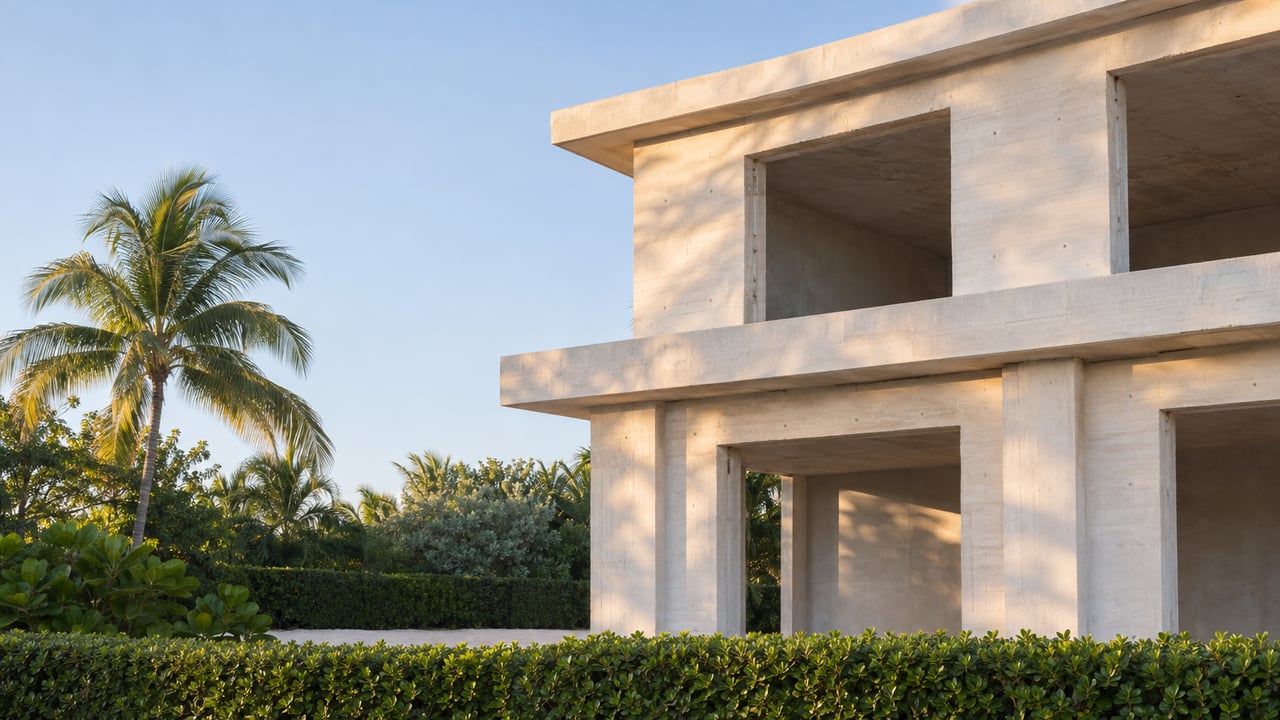
Palm Beach is a constrained coastal market, and that constraint affects what gets built. The Town of Palm Beach regulates land use, setbacks, building height, overall height, lot coverage, building volume and mass, and landscape open space, with relatively low-rise residential height allowances.
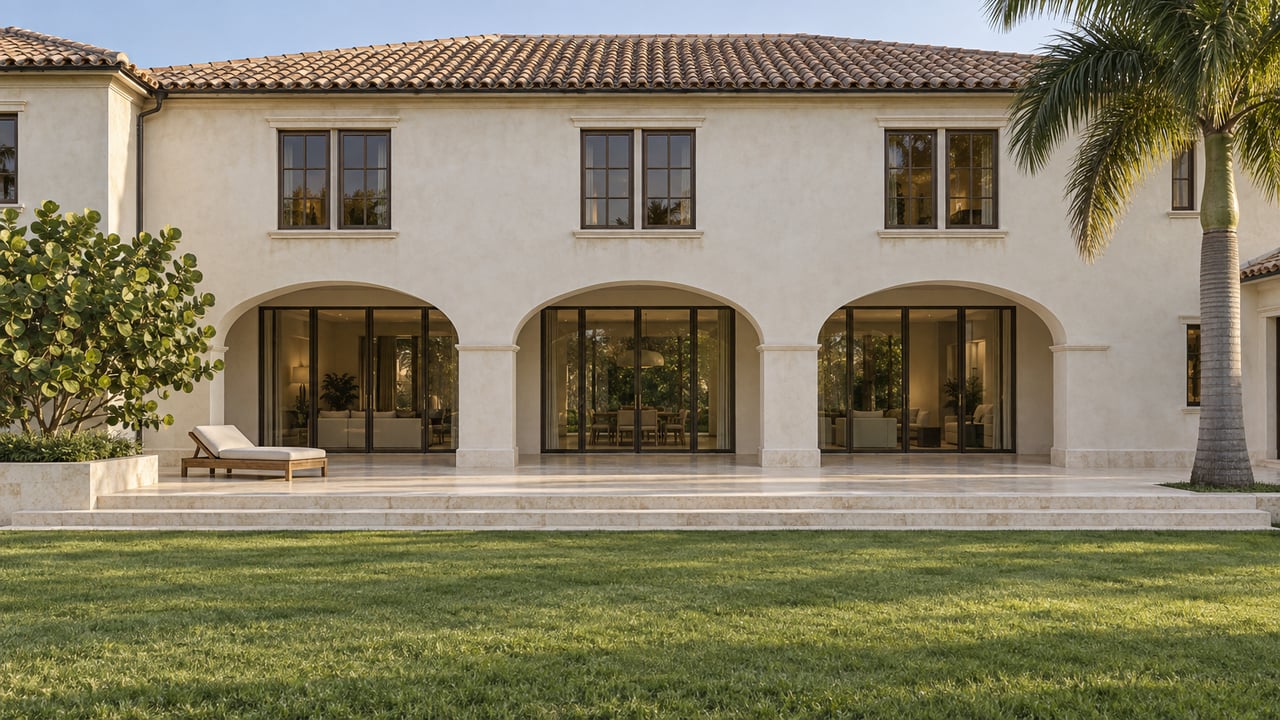
That helps explain why many of the region’s newest tower-style luxury residences are concentrated off-island in places like downtown West Palm Beach. There, a master plan and transfer-of-development-rights framework can allow additional height and floor area in designated receiving sites. For you as a buyer, that means “Palm Beach area new development” often includes two very different product types: limited on-island opportunities and a broader set of newer high-rise offerings nearby.
County Market Conditions Still Support Demand
Palm Beach County’s condo and townhome market remained active through May 2026. County data show sales were up 8.5% year to date, with 7.7 months of supply and a median condominium sale price of $345,000, up 4.55% year over year.
At the upper end, the market is notably cash-heavy. In the million-dollar condo and townhome segment, 86% of county sales were all-cash. That is important because in new development, liquidity and carrying costs often matter as much as the headline purchase price.
Why Off-Island Towers Matter
If you are drawn to a newer luxury building with extensive amenities, you will likely spend time looking in West Palm Beach as well as Palm Beach itself. The development pattern supports larger amenity programs and more vertical construction off-island than the town’s regulations typically allow on the island.
That does not make one option better than the other. It simply means your search should begin with a clear understanding of what you want most: scarce on-island positioning, newer construction, marina access, a broad amenity program, or a service-driven residence with a more hotel-like feel.
Construction Standards Matter In Coastal Palm Beach
In a hurricane-prone coastal market, new construction is not just about finishes. Florida’s current code baseline is the Florida Building Code, 8th Edition (2023), effective December 31, 2023, and it now references ASCE 7-22, which updated wind-load provisions and added criteria for elevated buildings.
For you, the takeaway is simple: site-specific engineering matters. A polished sales presentation is helpful, but the real questions are about how the building is designed for wind, water, elevation, and long-term coastal exposure.
Some projects highlight these features directly. Alba Palm Beach, for example, advertises floor-to-ceiling hurricane-impact glazing along with waterfront-specific features like private docks and day-dock access.
Coastal Siting Adds Another Layer
Not every buyer realizes that coastal location can trigger additional disclosure requirements. Florida law establishes coastal construction control lines to protect beaches and dunes, and sellers of property partially or totally seaward of that line must provide a coastal disclosure and, unless waived, an affidavit or survey showing the line at closing.
Palm Beach also directs owners to FEMA flood maps and local flood-zone tools. For condominiums, Florida now requires flood-related disclosure in the developer contract, including whether the developer knows of flooding, has filed flood claims, or received FEMA assistance. That makes flood and site review a core part of your diligence, not a side note.
Amenities Can Drive Appeal And Cost
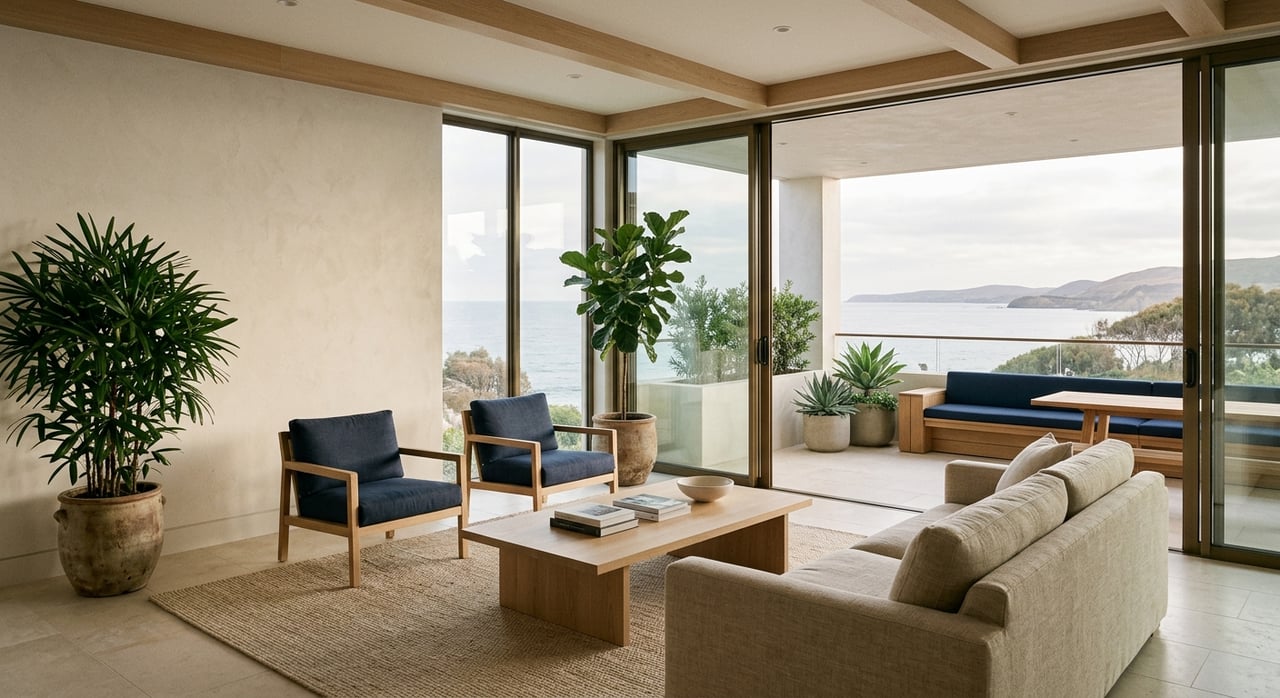
One of the biggest changes in the luxury condo market is how many new residences now operate more like private clubs or boutique hotels. Recent West Palm Beach projects show the pattern clearly.
The Ritz-Carlton Residences, West Palm Beach is planned with Ritz-Carlton-managed amenities, a bayfront pool deck, spa and treatment rooms, coworking areas, a golf simulator, guest suites, and club access. Alba Palm Beach advertises more than 25,000 square feet of amenities, including pools, private docks and a day dock, a spa, fitness center, wine room, private dining, theater, yacht-club membership, and concierge medicine.
These features can be compelling, especially if you want a turnkey lifestyle. But they also shape the building’s operating profile and your monthly ownership costs.
Look Beyond The Amenity Brochure
In Florida, the budget delivered to a condo buyer is only an estimate, and actual costs may exceed it. That is one reason service-heavy residences deserve especially careful review.
When you compare buildings, ask what is built into the service model and what that may mean for staffing, maintenance, reserves, and ongoing assessments. A deeper amenity stack can support demand and enjoyment, but it should be evaluated alongside long-term carrying costs rather than treated as an extra with no tradeoff.
Florida New-Development Contracts Are Different
Buying from a developer is not the same as buying a resale condo. Florida’s developer-sale framework is document-heavy, and the contract process comes with specific buyer rights and required disclosures.
A residential condominium contract is voidable by the buyer within 15 days after the required documents are received. The contract must also include the statutory disclaimer about oral representations, and the budget figures delivered to the buyer are expressly described as estimates only.
That means you should not rely on verbal statements alone, even when the presentation feels polished and complete. The recorded documents and required disclosure package are what count.
Deposits And Escrow Work Differently
Deposit structure is another area where new development often surprises buyers. If the project is not substantially completed, the developer must escrow up to 10% of the sale price, and any amount above that must be held in a special escrow account that cannot be used before closing except for refund.
This is one reason contract review is so important in pre-completion deals. The timing of deposits, the treatment of excess funds, and the delivery conditions all deserve close attention before you sign.
What Should Be In The Buyer Package
Florida requires a substantial set of documents in the buyer package. Depending on the project, that can include:
- The prospectus or disclosure statement
- Declaration and bylaws
- Management and maintenance contracts
- Operating budget
- Floor plan
- Covenants
- Relevant dock or marina approvals
- Proof of the developer’s interest in the land
- Where applicable, milestone-inspection and structural-integrity materials
This package gives you a roadmap for diligence. If a project includes waterfront components, service-intensive amenities, or shared-use features, the details in these documents can be as important as the residence itself.
Structural Diligence Is More Important Now
Recent Florida updates added more structural transparency to the contract process. For contracts entered into after December 31, 2024, the agreement must state whether a required milestone inspection, turnover inspection report, or structural integrity reserve study has been completed, or not completed, as applicable.
For you, that means structural diligence should be part of the front-end review. It is not only about appearance or brand affiliation. It is about what has been completed, what remains outstanding, and how future obligations may affect the building and its owners.
Understand When Developer Control Ends
In a newly developed condominium, association control does not shift immediately. Florida law phases control away from the developer at specific triggers, including three years after 50% of the units have been conveyed or three months after 90% have been conveyed, among other events.
That matters because your ownership experience can change as the building matures. Rules, budgets, priorities, and operational oversight may look different during developer control than they do after owners assume a greater role.
How To Evaluate The Sponsor
In Palm Beach-area new development, sponsor quality can be as important as location. The commercial questions behind the legal disclosures are often the ones that matter most.
Focus on issues such as:
- Whether the developer appears sufficiently capitalized to finish the project
- Who the general contractor is
- What permits and approvals are already in hand
- How far along pre-sales appear to be
- What rental or hotel-program restrictions apply
- Whether HOA and reserve assumptions look realistic
Florida also provides remedies for false or misleading promotional statements. That is one reason experienced buyers compare marketing language against the actual recorded documents rather than assuming the brochure tells the full story.
A Practical Framework For Buyers
If you want to evaluate a Palm Beach new-development residence with discipline, start with four categories: site scarcity, construction resilience, service model, and legal structure. Those four factors usually tell you more than the finishes package.
The strongest projects often combine a defensible location, a clear amenity identity, and disclosures that support confidence in delivery and long-term operations. In a market that remains active and cash-oriented, the long-term holding case typically depends less on the sales pitch and more on asset durability, rule clarity, and realistic carrying costs.
What Sophisticated Buyers Prioritize
In this market, buyers often move past surface-level appeal quickly. They want to know how a residence will function over time, how exposed it may be to coastal issues, what the true monthly cost structure may become, and whether the sponsor’s documents support the story being told.
That is especially true in Palm Beach and the surrounding coastal corridor, where scarcity and service quality can support value, but only when the underlying structure is sound. A well-bought new-development residence is rarely just about newness. It is about clarity.
If you are comparing high-end condominiums or evaluating a new-development opportunity in Palm Beach, West Palm Beach, or the wider county, a measured, document-driven approach can protect both your capital and your experience. For discreet guidance on Palm Beach luxury condominiums and new-development opportunities, contact The Leavitt McIntosh Team.
FAQs
What makes Palm Beach new development different from nearby West Palm Beach?
- Palm Beach has tighter planning and zoning limits, including relatively low-rise residential height allowances, while downtown West Palm Beach has tools that can support taller, denser projects in designated areas.
What should you review before buying a new-development condo in Palm Beach County?
- You should review the developer documents, estimated budget, deposit and escrow structure, flood-related disclosures, structural materials where applicable, and any rules tied to amenities, docks, rentals, or hotel-style programs.
Why do amenity-rich residences need extra scrutiny in Palm Beach County?
- Service-heavy buildings can be very appealing, but Florida law states that the budget provided to condo buyers is only an estimate, so actual operating costs may end up higher than early projections.
What flood disclosures apply to Florida new-development condominiums?
- Florida requires flood-related disclosure in the developer contract, including whether the developer knows of flooding, has filed flood claims, or received FEMA assistance.
How do condo deposits work in a Florida pre-completion development?
- If the project is not substantially completed, the developer must escrow up to 10% of the sale price, and amounts above that must be held in a special escrow account that generally cannot be used before closing except for refund.
Why is sponsor diligence important for Palm Beach new development?
- In a coastal, capital-intensive, service-driven market, sponsor strength affects project delivery, operational quality, and the reliability of the assumptions behind budgets, reserves, and long-term ownership costs.