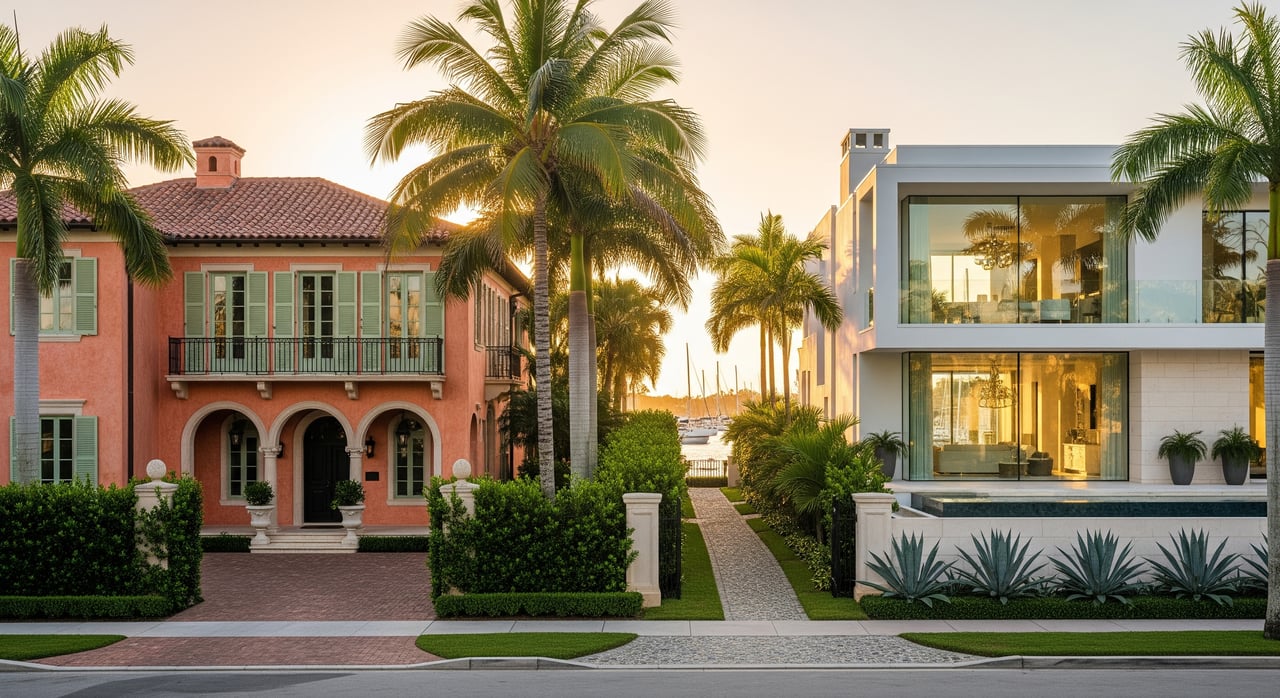
Torn between the ease of a brand‑new build and the charm of a storied estate in Palm Beach? You are not alone. Buyers here often balance lifestyle, resilience, and long-term value against heritage and rarity. This guide gives you a clear, side-by-side look at layouts, materials, approvals, carrying costs, and resale optics across Palm Beach Island and the broader West Palm Beach–Boca Raton–Delray Beach market so you can move forward with confidence. Let’s dive in.
Palm Beach market drivers
Palm Beach Island is a low‑inventory, ultra‑high‑end market where location, lot, and features often drive price more than age or style. In the wider West Palm Beach–Boca Raton–Delray Beach area, there is more volume and a broader mix of luxury, suburban, and new‑construction options. Your first filter should be the specific block, orientation, and access to water or views.
Coastal realities also matter. Flood risk, storm exposure, and seawall responsibility affect both new and historic properties on or near the water. On the island, lot assemblage for new builds is limited and can be shaped by zoning and historic‑review constraints when applicable.
Layouts and livability
Open plans and modern flow
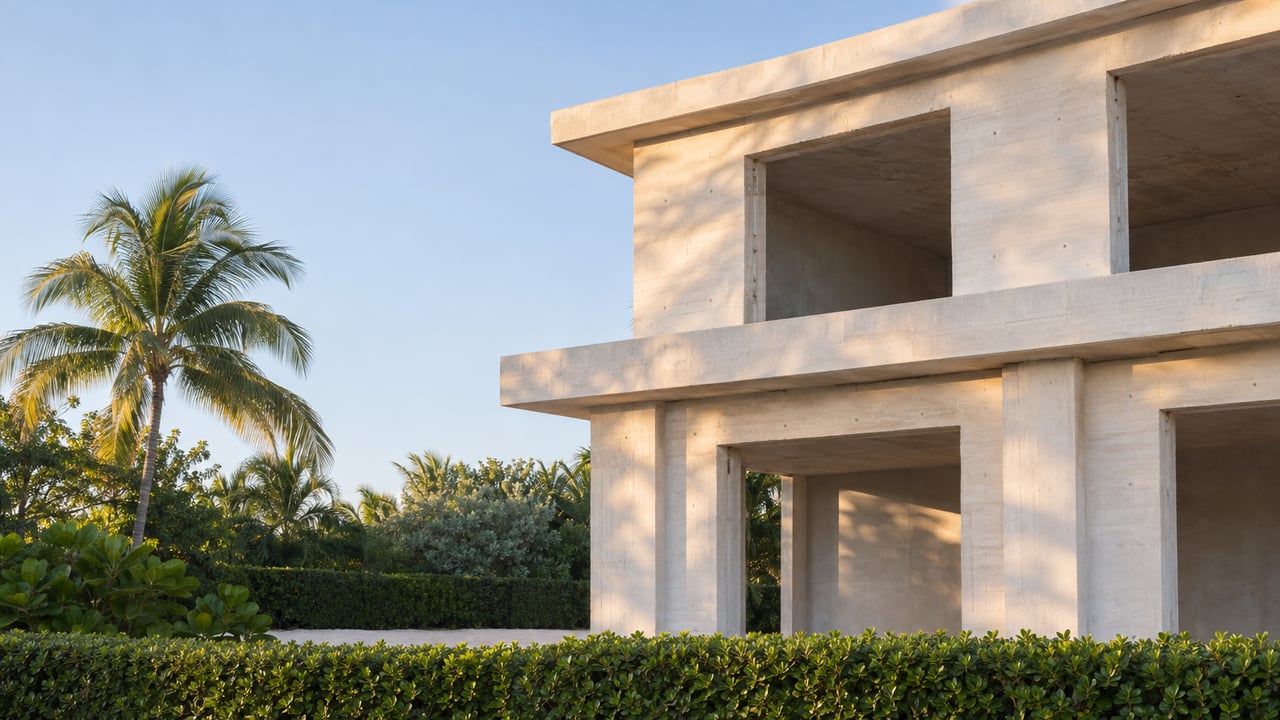
New construction in Palm Beach typically delivers open‑concept living with large great rooms, integrated kitchens, and en suite bedrooms. You see dedicated home offices, gyms, media spaces, and multi‑car garages. Indoor‑outdoor living is a priority, with covered loggias, summer kitchens, and large glass openings that connect to the pool and garden.
Formal rooms and character
Historic homes often feature compartmentalized floor plans with formal living and dining rooms, service areas, and kitchens that may be smaller unless renovated. Ceiling heights and room proportions vary by era, but original details, loggias, and mature landscape create a distinct sense of place. If you value character, authentic materials, and gracious rooms, a historic property can be compelling.
Tech and adaptability
Modern builds are designed for today’s systems, including structured wiring, AV conduit, and EV charging. Historic homes can be adapted, but adding new mechanicals or opening spaces may require more careful routing, structural changes, and sensitivity to original fabric. Exterior changes on designated properties can trigger review.
Materials and coastal performance
Historic fabric and upkeep
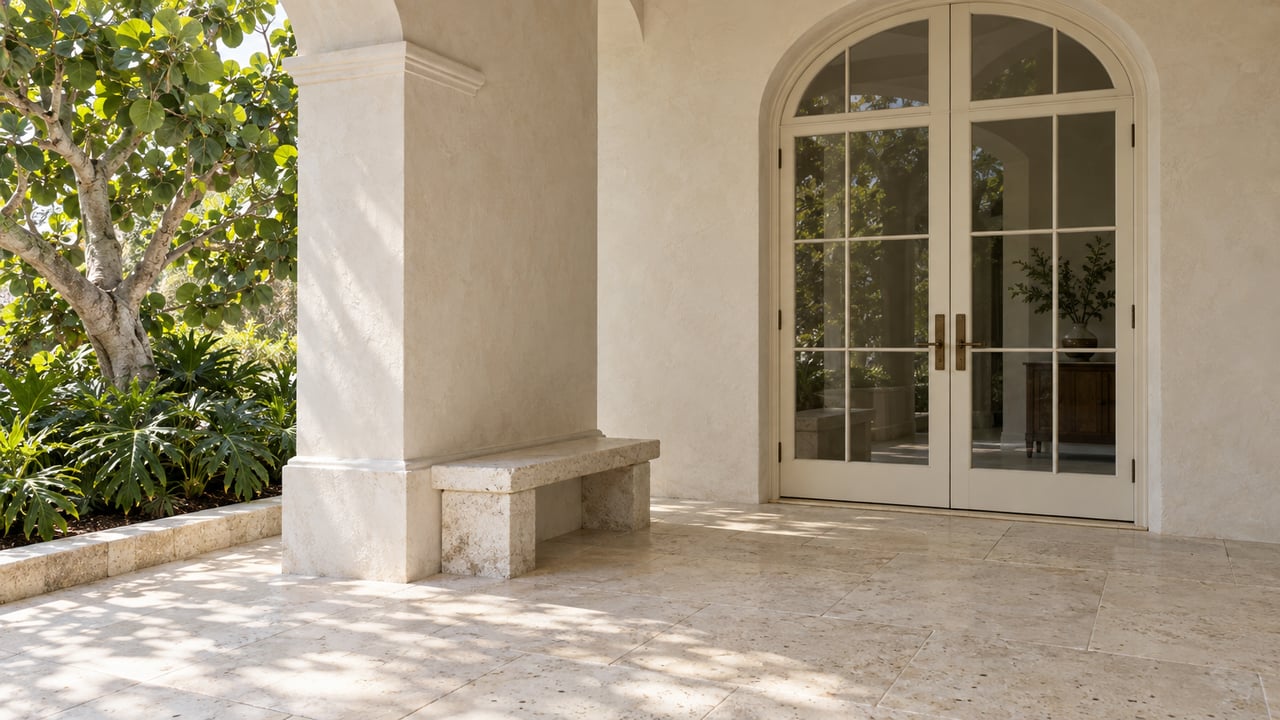
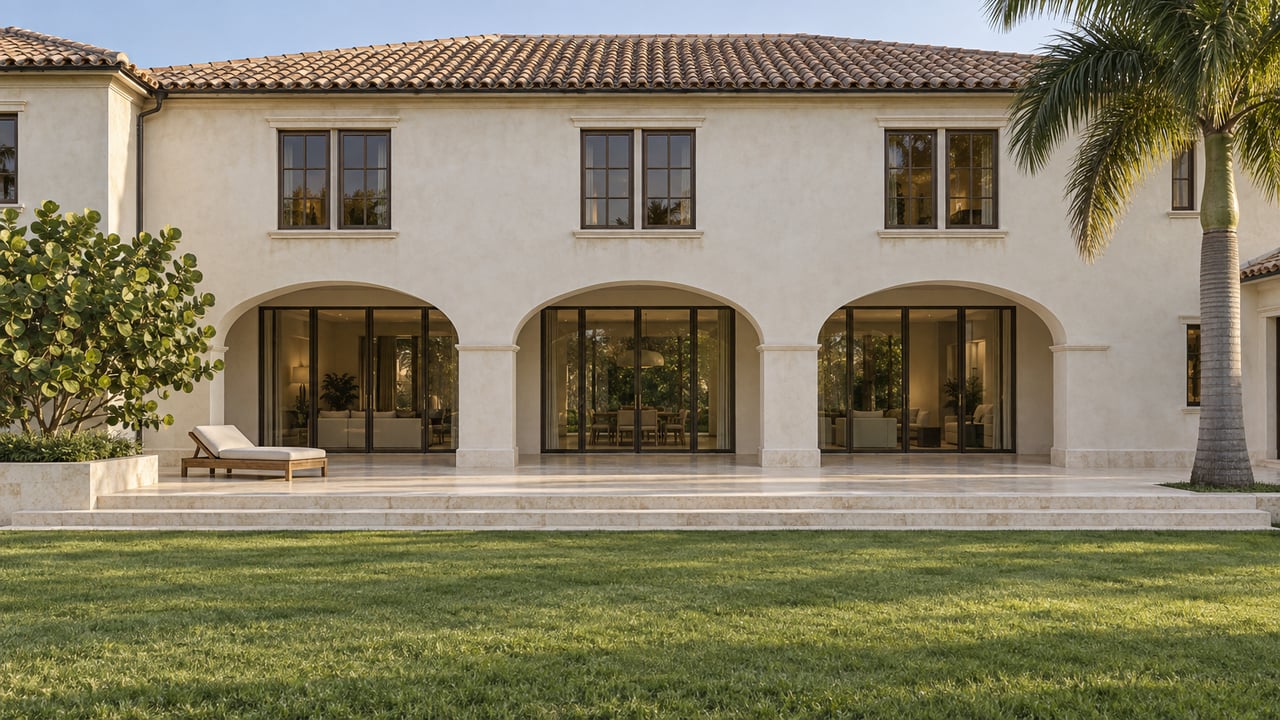
Many historic Palm Beach homes use stucco over masonry or wood framing, clay tile roofs, plaster interiors, wood detailing such as mahogany doors, terrazzo or hardwood floors, and wrought iron. Early homes may include original wood framing or local shell rock in foundations or walls. These materials deliver authenticity, yet they often require specialized craftsmen for maintenance and repair, which can increase costs and timelines.
Modern systems and code
Today’s luxury new construction typically uses reinforced concrete block and slab construction for wind and moisture resistance. You can expect modern waterproofing membranes, impact‑rated glazing, engineered roof systems, and advanced HVAC and insulation. These features improve resilience to wind and moisture and can lower routine maintenance compared with older structures, although high‑end finishes still require expert care.
Flood and wind standards
New builds must comply with the Florida Building Code for wind resistance and elevation in flood‑risk zones. Historic homes often predate current standards and may require wind or flood mitigation upgrades. The practical takeaway is simple: modern compliance can reduce risk and support insurability, while historic properties may need targeted retrofits.
Permits and historic review
New‑build approvals
A new home on the island typically goes through pre‑application meetings, site plan and design review, building permit submittal, and final inspections. Projects must meet Florida Building Code requirements and any Town of Palm Beach design guidelines. Waterfront or dune‑area work can require additional county or state approvals.
Landmarked‑home rules
If a property is locally landmarked or within a designated historic district, exterior changes, additions, and demolitions are reviewed by the Historic Preservation Board. Interior work is often more flexible, unless special covenants apply. Demolition of contributing structures can be delayed, conditioned, or denied, and replacement materials usually need to be compatible with the original design.
Coastal work and seawalls
Seawalls, docks, and work near dunes or the coastal construction control line may require permits beyond the town, including county or state review. These steps can shape your design options and timeline, so factor them into your plan early.
Carrying costs and risk
Insurance and mitigation
Windstorm and homeowner insurance premiums in South Florida are higher than many markets. Flood insurance is common for waterfront and flood‑risk properties. New construction with code‑level elevation, impact glazing, and mitigation features often qualifies for better rates or credits. Older homes without wind mitigation can face higher premiums and may need upgrades to secure coverage that satisfies lenders.
Taxes and assessments
Palm Beach County sets assessments, and new construction or substantial renovations can increase the assessed value. Special assessments, such as seawall or drainage projects, can add to annual carrying costs. Review the property’s status, improvements, and any pending work before you close.
Maintenance and utilities
Historic homes generally require higher routine maintenance, including paint, woodwork, roof and tile repairs, and potential structural or systems updates. New homes tend to have lower near‑term maintenance, but luxury features such as pools, automation, and complex HVAC still need regular servicing. Energy efficiency is usually better in new builds due to improved insulation, HVAC, and lighting, while older homes may need upgrades to reach similar operating costs.
Seawall ownership
If you buy on the water, you are typically responsible for seawall maintenance or replacement. This is a periodic but potentially significant expense and can be required to maintain flood protection.
Resale and market optics
Historic prestige
Authentic architectural pedigree, especially early 20th‑century styles associated with the island’s heritage, can command attention and attract a dedicated buyer segment. Historic designation can help preserve neighborhood character and contribute to long‑term value. That said, some buyers are deterred by exterior change limits, maintenance expectations, or the inability to replace a structure.
Turnkey appeal
New construction offers modern layouts, code‑compliant systems, and immediate enjoyment, which can support quicker resale among buyers seeking a low‑maintenance, entertainment‑ready home. Design trends evolve, so highly specific finishes or very open plans may need updates over time to stay competitive.
Appraisal and financing
Appraisers rely on comparable sales. Unique historic properties can be harder to comp, while high‑spec new builds also require careful valuation. Lenders may require safety or habitability upgrades on older homes prior to funding. For larger loans, expect detailed inspections regardless of age.
When a historic home fits
- You value architectural authenticity, provenance, and established landscape.
- You are comfortable with preservation guidelines for exterior work.
- You plan for specialized maintenance and potential system upgrades.
- You prefer formal rooms and classic proportions over fully open plans.
When new construction fits
- You want open‑concept living and seamless indoor‑outdoor flow.
- You prioritize modern systems, energy efficiency, and code‑level resilience.
- You aim for lower near‑term maintenance and predictable carrying costs.
- You need dedicated spaces like a gym, office, or media room.
Palm Beach buyer checklists
Due diligence essentials
- Confirm landmark or district status and the scope of exterior review.
- Review permitted work history and any open or expired permits.
- Evaluate flood zone, base flood elevation, and mitigation features.
- Inspect seawall condition, ownership, and recent repairs or reports.
- Get insurance quotes that reflect actual features and elevation.
- Estimate annual maintenance for finishes, roof, and mechanicals.
Renovation planning
- Budget for structural, mechanical, and envelope upgrades first.
- Clarify any historic‑board approvals before finalizing scope.
- Phase work to minimize disruption and align with seasonal needs.
- Keep records of materials and methods to support future resale.
Bottom line
On Palm Beach Island, your lot and location come first. From there, the choice between new construction and a historic home comes down to lifestyle, risk profile, and how you value character versus convenience. Both paths can protect value when the property aligns with your goals and the local approval and cost realities are understood up front.
When you are ready to compare specific addresses, align due diligence, and position your purchase for long‑term success, connect with the experts who live this market every day. Sell with confidence with The Leavitt McIntosh Team.
FAQs
What should Palm Beach buyers know about historic‑home renovations?
- Exterior changes often require Historic Preservation Board approval, while interiors are usually more flexible. Confirm local rules and plan approvals early.
Do historic districts in Palm Beach hurt resale value?
- They can narrow the buyer pool, yet they also preserve neighborhood character, which may support long‑term value depending on the segment and location.
Are insurance premiums higher for older Palm Beach homes?
- They can be, especially without impact windows, wind mitigation, or adequate elevation. Targeted upgrades often reduce premiums and improve insurability.
Is new construction a safer investment on the island?
- New builds reduce near‑term maintenance and meet current codes, but long‑term value still hinges on lot, location, design quality, and market tastes.
Are there tax credits for restoring a Palm Beach historic home?
- Federal rehabilitation credits generally apply to income‑producing properties, not private residences. Local incentives vary and should be confirmed with the town.
How long do Palm Beach permits take for historic renovations?
- Timelines extend when historic review is required. Build in extra time and work with local architects and contractors experienced with the island’s process.